
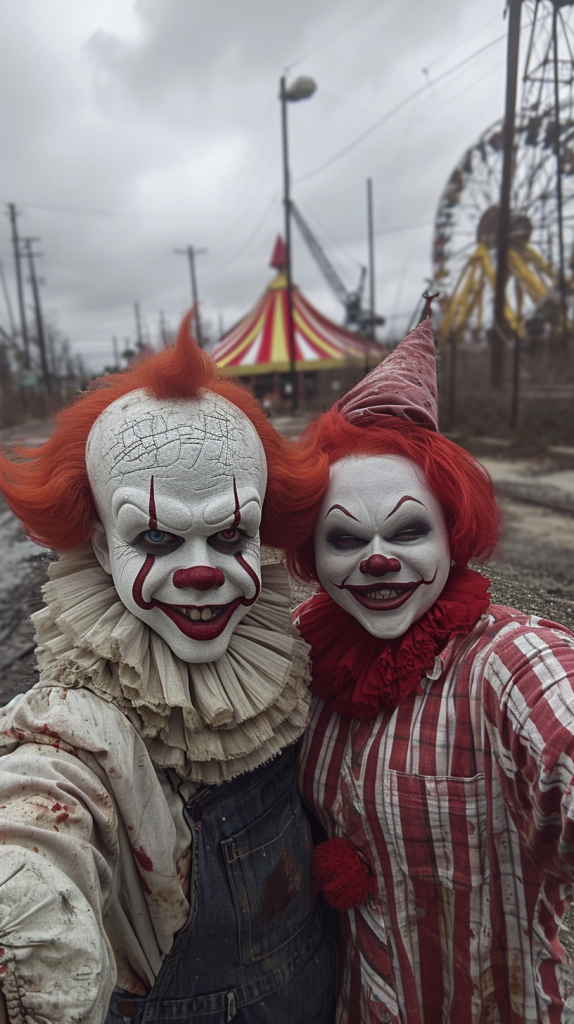
The last night bled into morning without anyone calling it. The midway lights clicked off one by one, like a tired man shutting his eyes, and the smell of grease and wet canvas hung around after all the rubes went home. The Ferris wheel stood still for the first time in weeks, the electric generator quiet, the cages empty.
The crew is finishing breakfast, the last of today’s coffee poured. The chatter picks up in intensity.

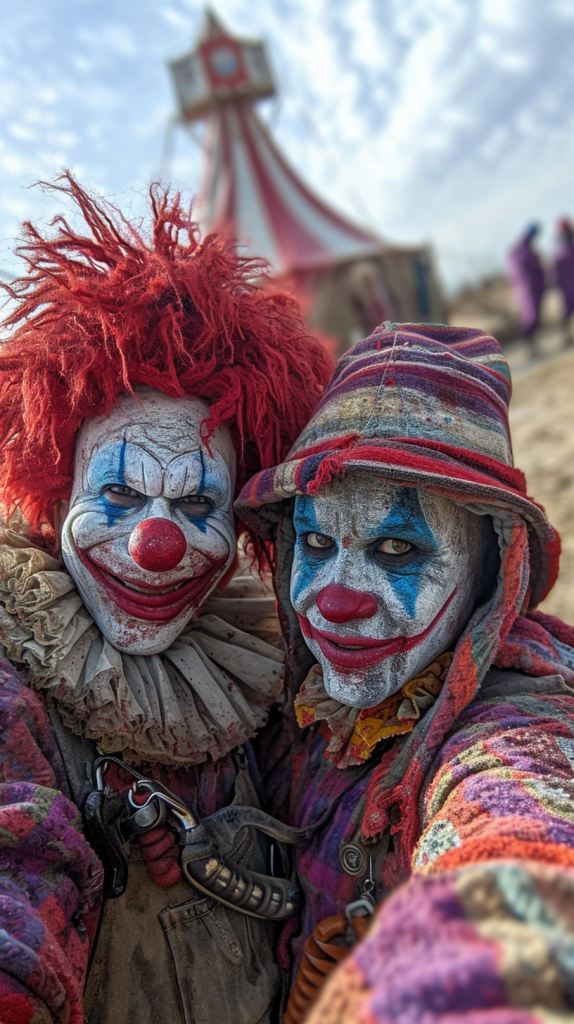
Maeve from the pie car packed her knives slowly wiping each blade twice before wrapping each in its own protective sheathing and neatly packing them into boxes. She’d been cooking since April, feeding the crew before sunup and after midnight, a magician turning scraps into meals.
She counted her bills and change on the table —just enough, maybe, to float through winter if she skipped cigarettes and didn’t get sick.
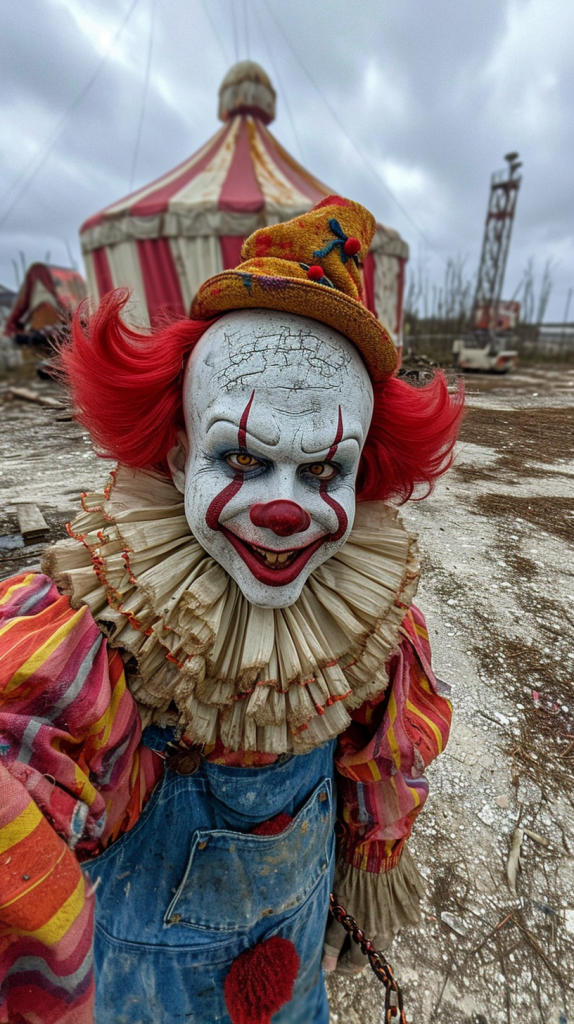
Big Al, the ride jock, said goodbye to his machine like it was a horse that knew his voice. He checked the hub and axle that wouldn’t move again for months, patting steel that was still warm from yesterday’s sun.
“You done good,” he muttered, because Al talked to rides the way other men talked to their pet dogs.
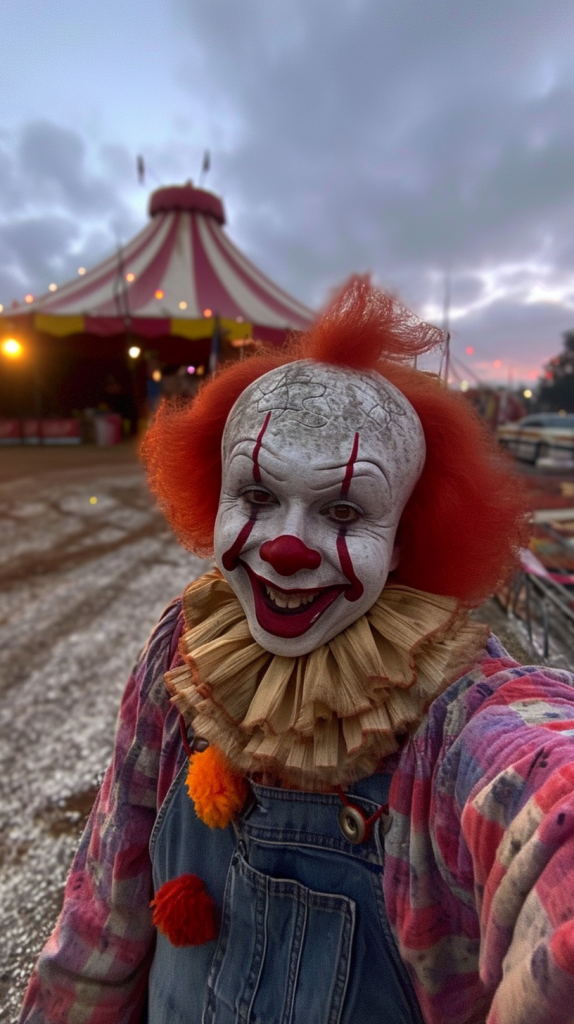
We solemnly scavenged the gravel where the crowd had stood in line. Change hid everywhere—under the Gravitron, in the shadows of the funhouse, found its way into an odd corner of the skill game trailer.
It was wages delayed, paid out by gravity and chance. It was owed, we felt, for in this hospitality business, no one thinks to tip the Carnie.
At the controls, providing the thrill of a bumpy ride, Big Al shakes ’em down without them ever knowing. We all agree not to touch our hoard until the very last day.
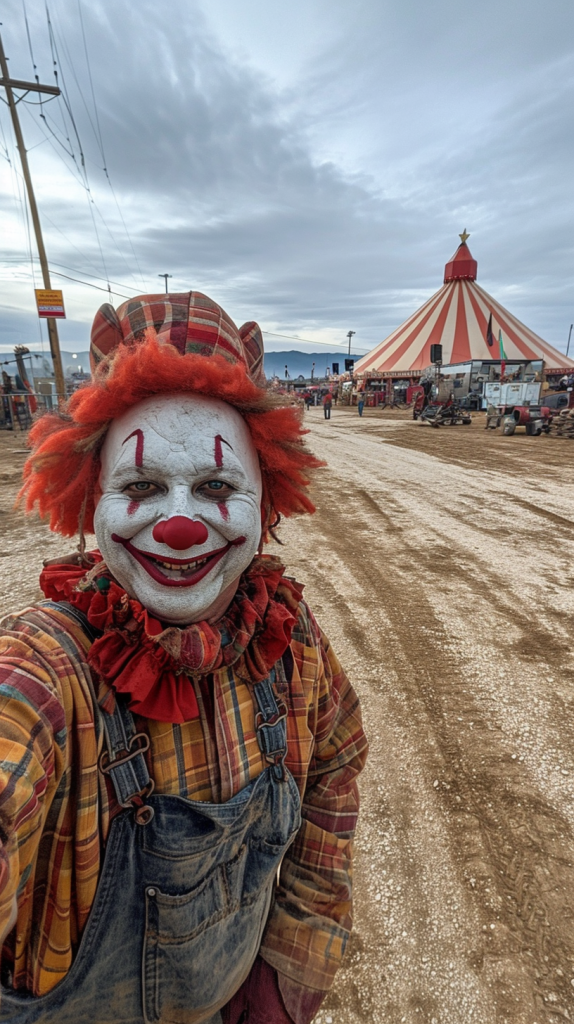
By noon the lot looked like an ant colony. Trucks idled, tractors coughed awake, maps unfolded on hoods.
Nobody asked where anyone was headed; you never do. Some roads are better unnamed. But there were some mutterings:
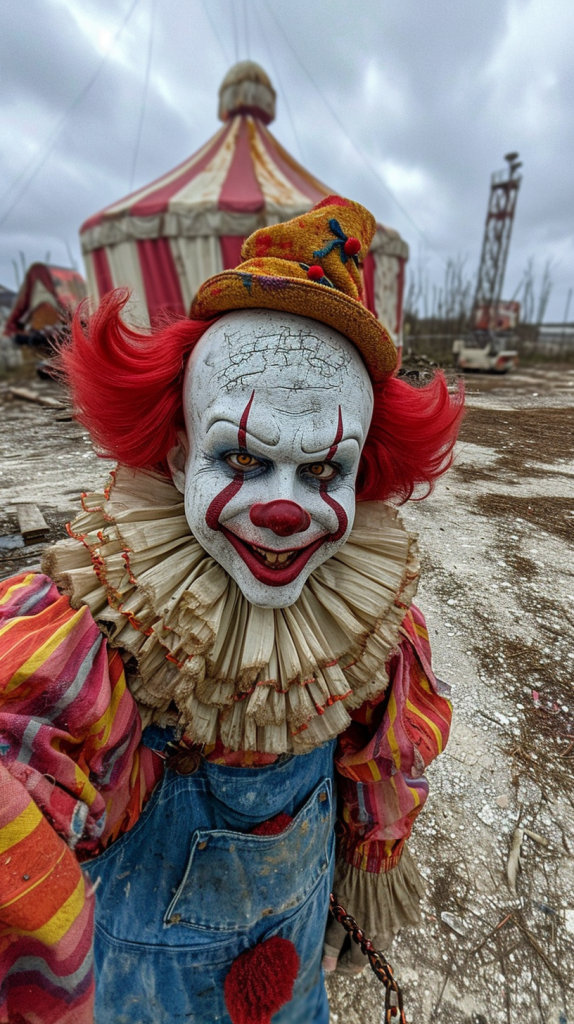
Ricky was heading west with a bad back to a cousin who had a couch. Maeve talked about a diner by the upper Mississippi River that might need a cook come frost.
Big Al shrugged and said “South”, where there’s always something broken needing someone who knows how to fix it.
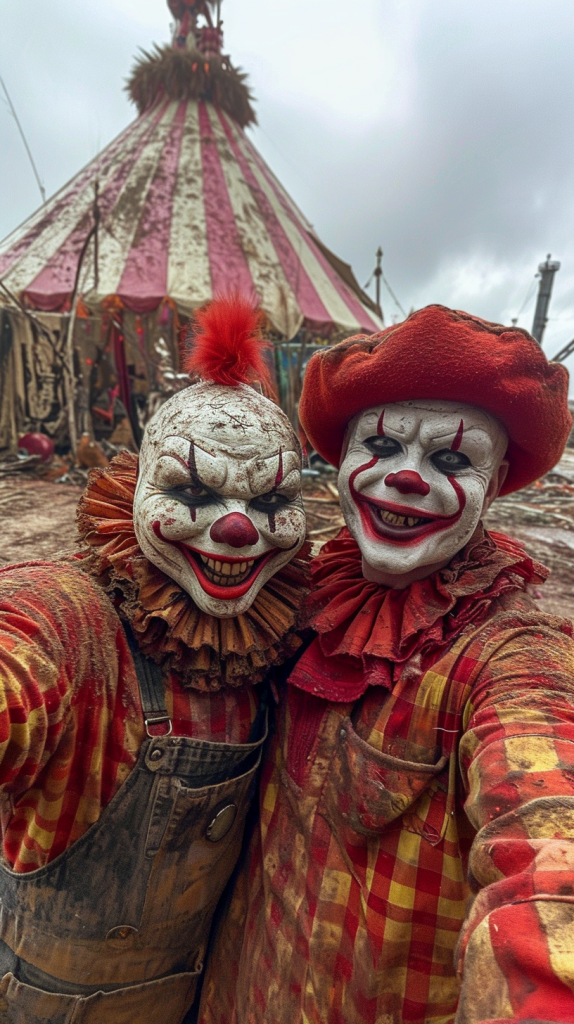
They shook hands, hugged quick, promised nothing they couldn’t keep. “See you in May,” someone said, which is Carnie-speak for hope without a guarantee.
Engines pulled away in different directions, dust hanging like a blessing.
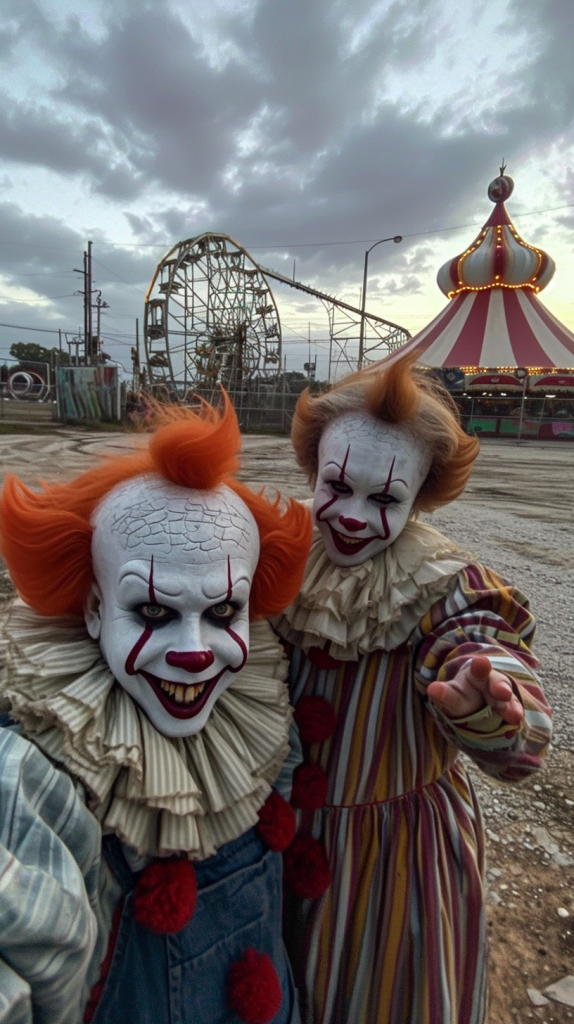
The lot fell quiet enough to hear the wind fuss with a stray ticket stub. Somewhere, a coin still waited undiscovered, patient as winter.
And the carnies, now scattered, carried the season in their pockets — a wad of bills, loose change, and the faith that they would get the call next year.
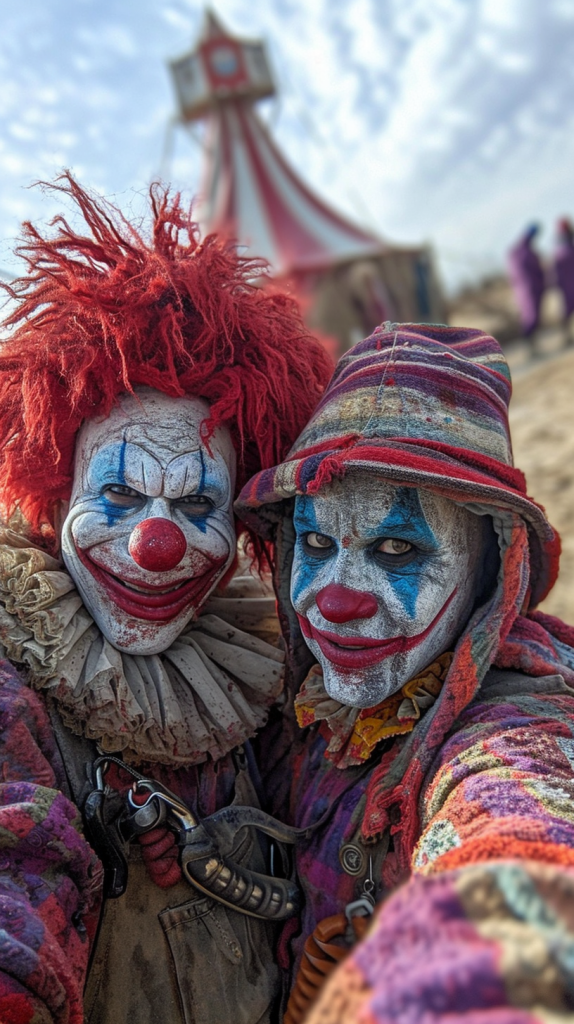
“Good hand on teardown.” “see ya next year, ya old scratch”
“..so long”
